Esta página presenta las historias en español, portugués o inglés que han resultado del Programa de Documentación y Narrativa de Brighter Green. || Esta página lista as histórias em espanhol, português ou inglês que resultaram do Programa de Documentação e Narrativa da Brighter Green. || This page presents stories published in England and Spanish or Portuguese and English as a result of Brighter Green’s Documentation and Narrative Program.
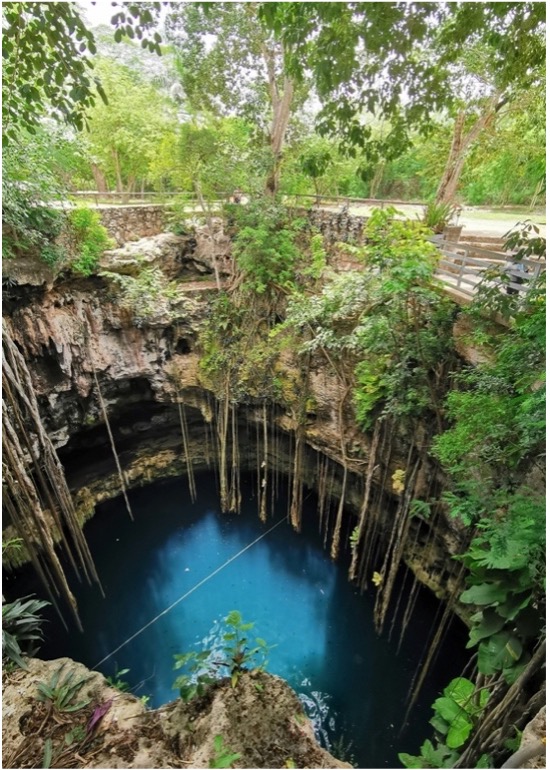
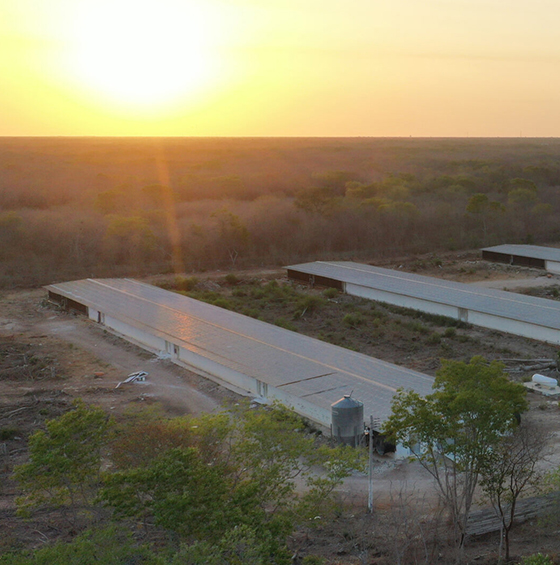
Ganadería industrial en Yucatán, México || Industrial Animal Agriculture in Yucatán, México
Slaughter-land by Patricio Eleisegui and Maricarmen Sordo documents the growth of mega-pig farms that are affecting Mayan communities and cenotes in Yucatán. Slaughter-land won the 2025 Yale Environment 360 Film Contest. Read about the film and watch it here. Read Patricio Eleisegui’s original report in the Guardian: “Drugs, Hormones, and Excrement: The Polluting Mega-Pig Farms Supplying Pork to the World.”
Slaughter-land de Patricio Eleisegui y Maricarmen Sordo describe el crecimiento de mega-granjas de cerdos que afectan a las comunidades mayas y a los cenotes en Yucatán. Slaughter-land ganó el Concurso de Cine Yale Environment 360 2025. Lee sobre la película y mírala aquí. Lee el reportaje original de Patricio Eleisegui y en el periódico Guardian: Drogas, Hormonas y Excremento: Las Mega-Granjas de Cerdos Contaminantes que Suministran Cerdo al Mundo.
Ganadería industrial en Colombia || Industrial Animal Agriculture in Colombia

- Las porcícolas que devoran la vida en Meta || The pork mega farms eating away at life in Meta
- La mano muerta de Carranza detrás de Aliar-Fazenda y los Menonitas en Meta || Carranza’s dead hand behind Aliar-Fazenda and the Mennonites in Meta
- Barrulia: de vivir en 58.000 hectáreas a habitar un centro deportivo || Barrulia: from living on 58,000 hectares to inhabiting a sports centre
O impacto da pecuária nos animais silvestres e no desmatamento no Brasil || The Impact of Animal Farming on Wild Animals and Deforestation in Brazil

- Encurralados: os impactos do agronegócio sobre a fauna brasileira || Trapped: The impact of agribusiness on Brazilian wildlife
- Terra arrasada: fogo no Pantanal deixa animais resgatados sem ter para onde ir || Scorched land: Fires in the Pantanal leave rescued animals with nowhere to go
- Fundo de pensão da ONU investiu na SLC, que produz em fazenda com desmatamento no PI || UN pension fund invests in SLC, operating on farm linked to deforestation in Piauí
- SLC produz soja em terras de acusado de grilagem no Piauí || SLC produces soy on land owned by individual accused of land grabbing in Brazil
Actividad delictiva y ganadería en Colombia || Criminal Activity and Animal Agriculture in Colombia

- La Extinción del Pueblo Nukak (video) || The Extinction of the Nukak People (video)
- Deforestación y ganadería: un matrimonio paramilitar en la Amazonía colombiana || Deforestation and cattle ranching: a paramilitary marriage in the Colombian Amazon
- La ganadería que mata ecosistemas y lava dinero del narco: el caso de alias “Toto Ariza” || Livestock farming that destroys ecosystems and launders drug money: the case of alias “Toto Ariza”