Stories of Human and Nonhuman Rights under Pressure from Animal Megafarms

By Mia MacDonald and Isis Alvarez

To read the entire paper, click here.

Summary

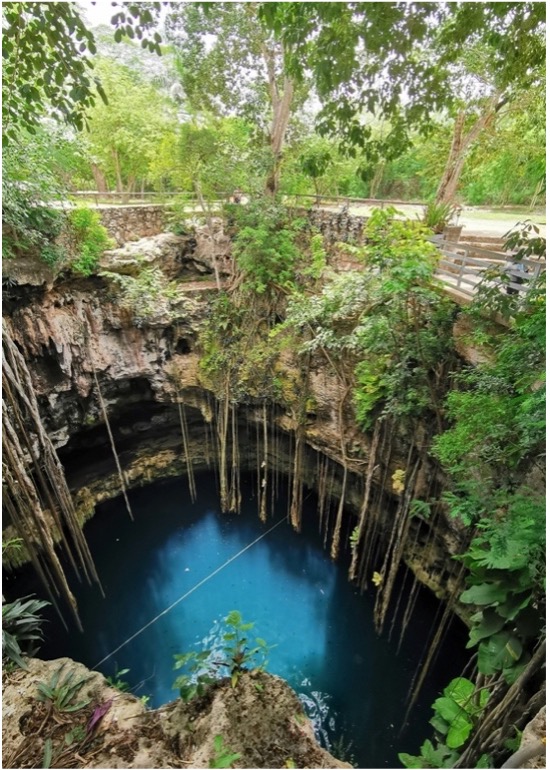
Mexico’s Yucatán peninsula is known for its beaches, Mayan archaeological sites like Tulum and Chichén Itzá, and its forests and cenotes (a network of rivers and lakes, sacred in Mayan cosmology, that wind through hundreds of sinkholes and caves composed of karst). Among the nonhuman species found here are endangered spider monkeys, threatened jaguars, and Yucatán parrots. The blind eel and fish, both at risk of extinction, are found only in the peninsula’s cenotes (see left). Through the caverns, rainwater and other substances filter directly into the groundwater, which provides the freshwater used by Mayan communities as well as wildlife.

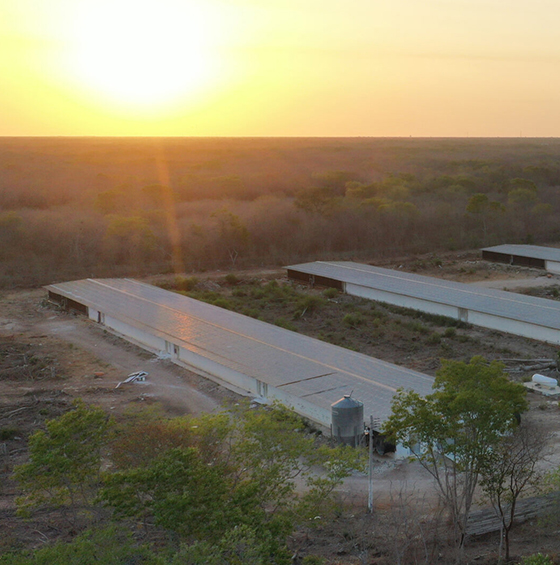
Over the past decade or so, the forested land and especially the cenote waters have attracted the meat industry, which raises animals on an industrial scale in factory-like “megafarms.” As many as 800 Concentrated Animal Feeding Operations (CAFOs) pack tens of thousands of pigs and chickens bred for rapid growth into vast sheds.[i] It is estimated that 70 percent of these megafarms have been built within the Ring of Cenotes in northwest Yucatán, which is, or should be, protected by the Ramsar Convention on Wetlands.[ii]

The CAFOs for pork production, owned by Kekén, a large Mexican meat processor, which monopolizes the pork business, threaten the Mayan communities’ and wild species’ access to fresh water. Animal manure and run-off from cleaning operations pollute the cenotes, even as the facilities themselves draw significantly from them. Research by Mexico’s Ministry of the Environment in 2023 found that in more than half of the municipalities with mega pig farms, “critical conditions for the water sustainability of the aquifer [cenote]” existed, due to high levels of nitrogen from pig manure and urine.[iii]

The CAFOs, also known as “factory farms” or “megafarms,” displace habitats for wildlife, and threaten traditional livelihoods like beekeeping, which Mayans practice in forested areas. The megafarms—and their powerful owners—are also threatening the land and human rights of Indigenous Maya communities and deploying the state police and judicial apparatus through muscular, militarized means to intimidate environmental defenders. At the same time, local associations, individuals, and legal advocates in the Yucatán are employing creative means to protect and expand rights—of humans and more-than-humans—including an effort to gain legal personhood status for the Ring of Cenotes.

For several years, Brighter Green has been tracing the connections and distinctions between the movements for the rights of animals and rights of Nature (RoN), exploring how collaborative analysis and action could advance both. As part of their work, the authors of this paper have been documenting connections and distinctions between the movements for RoN and animal rights, exploring how collaborative action and analysis could advance both. The Yucatán CAFOs bristle with multiple rights violations of the human and more-than-human world, and the community environmental defenders, investigative journalists, scientists, and lawyers offer a pathway to protect them both.

Still, our analysis finds that the realities of industrial animal agriculture (reliant on CAFOs or megafarms) haven’t received as much attention from the RoN movement as it warrants. This is, therefore, an area ripe for collaboration among the RoN, more-than-human life, and animal rights movements. Other scholars and legal advocates working at the intersection of animal rights and RoN have come to a similar conclusion, and have encouraged more cross-pollination of ideas and action, particularly around animal agriculture.[iv]

Since 2020, Brighter Green has been a nominator for the Goldman Environmental Prize, which, as its website notes, “honors ordinary people who take extraordinary actions to protect our planet.” The prize, which was founded in 1989 by Richard and Rhonda Goldman, highlights grassroots activism and inspiring fearless leadership against polluters, extractive industries, and those who fund them. Each year, the prize is awarded to individuals in six geographical regions: Africa, North America, South America, Europe, Asia, and islands and island nations. Previous winners include the late Wangari Maathai, the Kenyan environmentalist and Nobel peace prize winner. A friend to, guiding for, and hero of Brighter Green, Wangari was awarded the prize in 1991.

Since it became a partner for the prize, Brighter Green has been privileged to nominate activists from all over the world, including five finalists and two winners (so far): Sharon Lavigne (who won in the North America category in 2021) and Marcel Gomes (who won in the South America category in 2024).

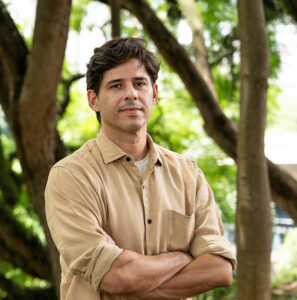
In its citation, the Goldman Foundation said the following about Marcel (shown left):

Marcel Gomes coordinated a complex, international campaign that directly linked beef from JBS, the world’s largest meatpacking company, to illegal deforestation in Brazil’s most threatened ecosystems. Armed with detailed evidence from his breakthrough investigative report, Marcel and Repórter Brasil worked with partners to pressure global retailers to stop selling the illegally sourced meat, leading six major European supermarket chains in Belgium, France, the Netherlands, and the United Kingdom to indefinitely halt the sale of JBS products in December 2021.

Marcel and Repórter Brasil have continued to work with Brighter Green. Through our Animals and Biodiversity Reporting Fund, Marcel and his team have documented in a series of articles and a short film the devastating impact of agribusiness on wildlife in Brazil.

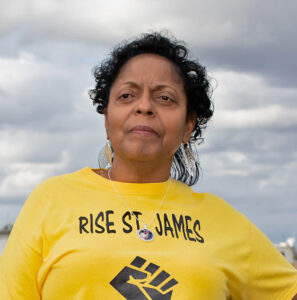
In its citation, the Goldman Foundation said the following about Sharon (shown left):

In September 2019, Sharon Lavigne, a special education teacher turned environmental justice advocate, successfully stopped the construction of a US$1.25 billion plastics manufacturing plant alongside the Mississippi River in St. James Parish, Louisiana. Lavigne mobilized grassroots opposition to the project, educated community members, and organized peaceful protests to defend her predominantly African American community. The plant would have generated one million pounds of liquid hazardous waste annually, in a region already contending with known carcinogens and toxic air pollution.

We are grateful to the extraordinary people we’ve nominated for the prize for their pathbreaking work on food and agriculture, forests, protecting wildlife, climate and environmental justice. We also appreciate the colleagues who’ve recommended potential nominees to us.

Sign Up for Our Newsletter